They also used Unity for Cities in Motion 2, which was a de facto prototype for Cities Skylines.
I much preferred their own homegrown engine from Cities in Motion 1; although since it is single threaded, it can bring even modern systems to their knees (at 1440+ resolutions) with mods, a map that maxes out the engine and freelook (especially if you do a horizon view of the city).
Cities in Motion 1 is exclusively focused on public transport company management, CiM 2 allows construction of roads/buildings in a more expansive manner (it was clearly a prototype for Cities Skylines), but is still missing much of the gameplay you would expect from a city-builder.
I really liked CiM 1 because it wasn’t made in unity and the euro focus (Vienna, Helsinki, Berlin, but there is also DLC for New York and Tokyo).
CiM is also very hard and I would argue the data vizualization expansion mod is a must for QoL.


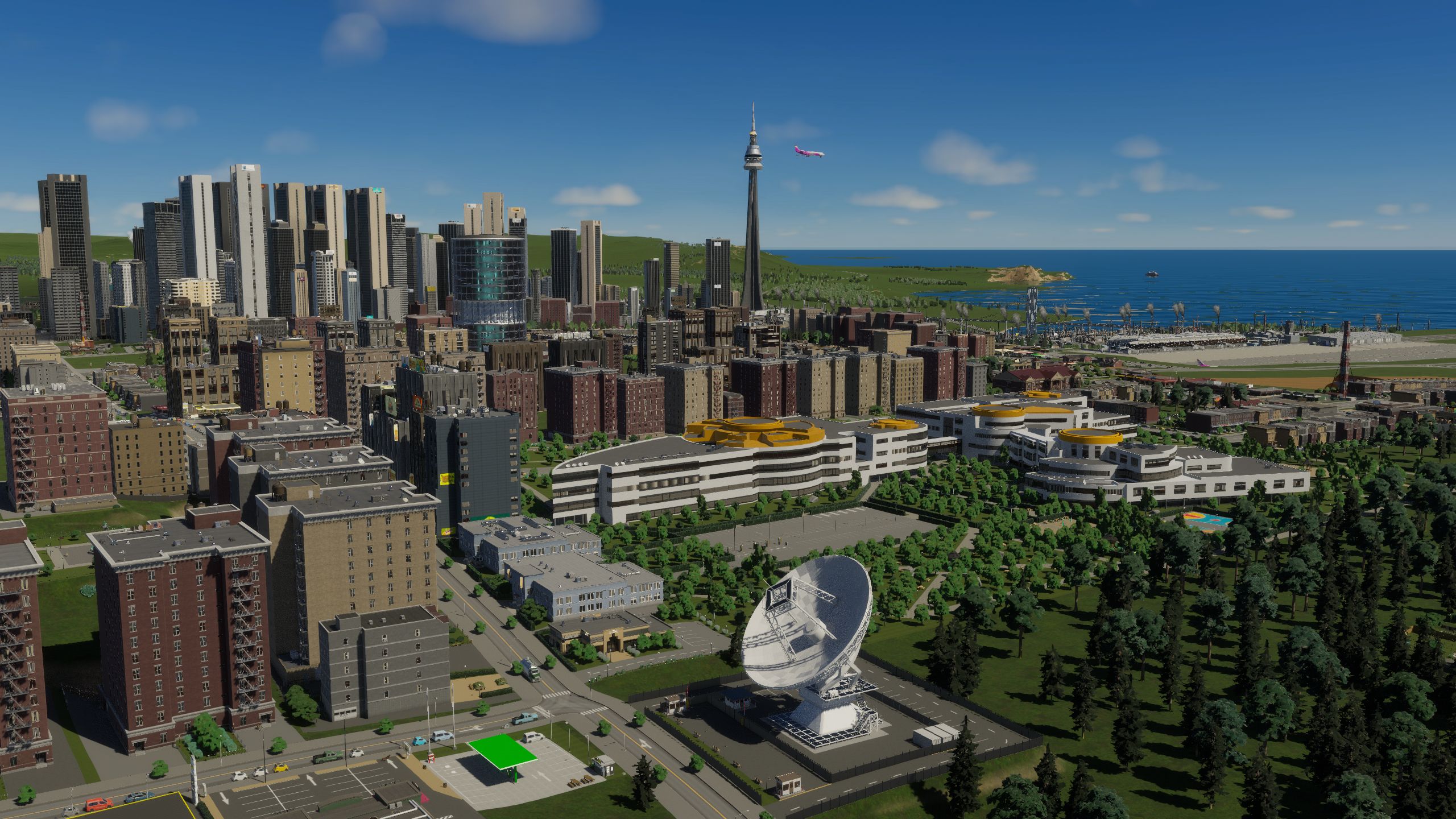
They also used Unity for Cities in Motion 2, which was a de facto prototype for Cities Skylines.
I much preferred their own homegrown engine from Cities in Motion 1; although since it is single threaded, it can bring even modern systems to their knees (at 1440+ resolutions) with mods, a map that maxes out the engine and freelook (especially if you do a horizon view of the city).
How does Cities in Motion 1 hold up against Cities Skylines 1?
Cities in Motion 1 is exclusively focused on public transport company management, CiM 2 allows construction of roads/buildings in a more expansive manner (it was clearly a prototype for Cities Skylines), but is still missing much of the gameplay you would expect from a city-builder.
I really liked CiM 1 because it wasn’t made in unity and the euro focus (Vienna, Helsinki, Berlin, but there is also DLC for New York and Tokyo).
CiM is also very hard and I would argue the data vizualization expansion mod is a must for QoL.
Very interesting. Thanks a lot for taking the time to tell me. Something to add to my to-play list for sure.