

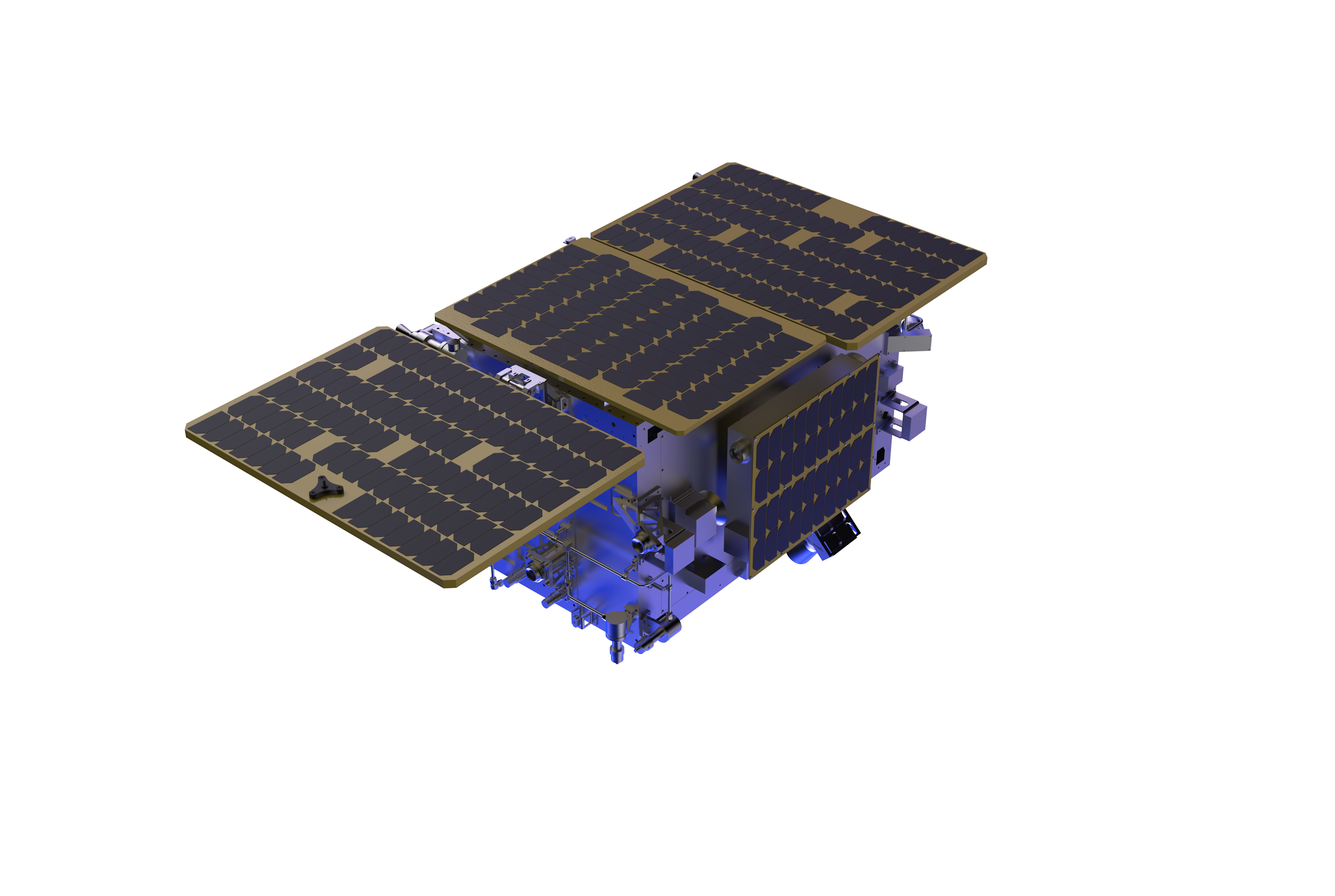
The indigenous OTV brings together two significant and unprecedented developments. FGN-TUG-S01, Türkiye’s first-ever orbital transfer vehicle, is powered by the world’s first-ever hybrid rocket engine. Upon successfully entering mission orbit, it will ignite its hybrid engine for the first time as planned. This maneuver will be the first-ever orbital ignition of the hybrid rocket engine in both Turkish and global space history. The indigenous OTV will, thanks to its safe and low-cost hybrid propulsion system, make it possible for satellites to be transported to different orbits, prolonging their mission life.
All that PR and marketing nonsense, and not a single mention of what a ‘first ever hybrid engine’ is.
It is difficult to parse the translations but I am confident they intend to refer to a “hybrid-propellant rocket engine” which indeed makes this a major milestone in rocketry in terms of orbital maneuvering engines.
Hybrid rockets avoid some of the disadvantages of solid rockets like the dangers of propellant handling, while also avoiding some disadvantages of liquid rockets like their mechanical complexity.[1] Because it is difficult for the fuel and oxidizer to be mixed intimately (being different states of matter), hybrid rockets tend to fail more benignly than liquids or solids. Like liquid rocket engines, hybrid rocket motors can be shut down easily and the thrust is throttleable. The theoretical specific impulse performance of hybrids is generally higher than solid motors and lower than liquid engines. As high as 400 s has been measured in a hybrid rocket using metalized fuels.[2] Hybrid systems are more complex than solid ones, but they avoid significant hazards of manufacturing, shipping and handling solid rocket motors by storing the oxidizer and the fuel separately.